AI-Native Water Intelligence

Water risk in the Bay Area

"The [water] industry very much operates in a reactive firefighting mode" which leaves communities and commercial partners exposed. Alexa Bruce: CEO & Co-founder, Tova

Almost all of San Francisco's water comes from the Tuolumne River and the locals love it. Residents say that the “tap water is excellent” and it will “ruin any other tap water” for you.

However, increasing water risk and stresses are being felt by the community.

Major floods and droughts have hit the area over the past few years, with citizens and businesses increasingly worried about the risks of climate change.

The Public Policy Institute of California estimated the 2021 drought caused $1.7 billion in revenue losses for farmers and related agricultural sectors.

A San Franciscan told ABC News: "I think we're going to probably lose even more residents" as water bills are proposed to rise by a further 23% over the next two years.
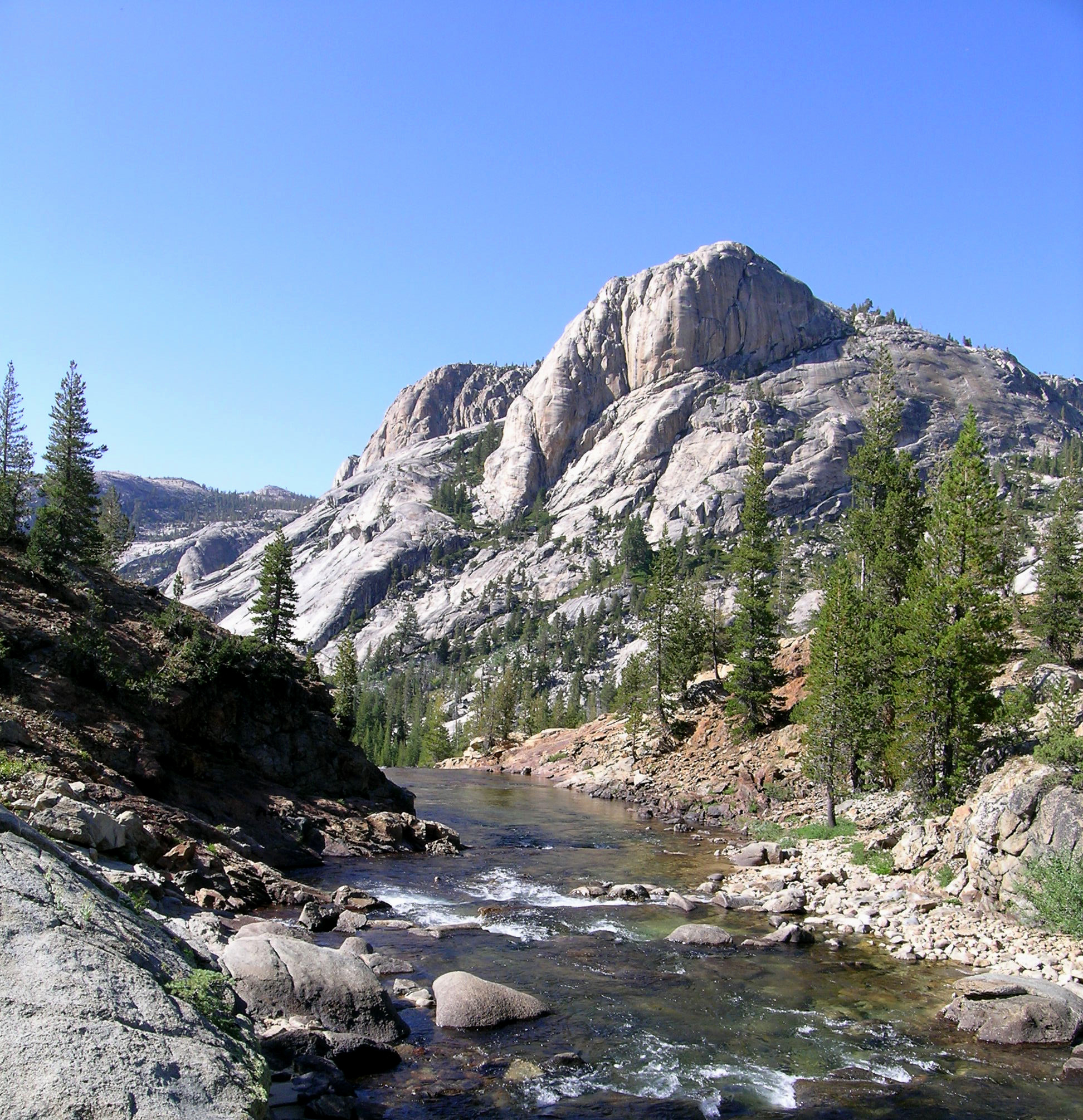
The Tuolumne River
The Tuolumne River, source of most of San Francisco's water.
$1.7B
Losses for the agricultural sector in 2021 drought.

A Californian utility company, which serves roughly 2.7 million residents and businesses in the Bay Area, brought in key academic figures from Tova to help them answer the following:

Is the utility sector prepared for risks to water supply, or are they firefighting problems as they surface?

They want to ensure that there will continue to be enough high-quality, clean water.

While water remains our most precious resource and a fundamental human right, it is not currently valued accordingly. Risks to water supply are detrimental to nature, society and business. Once we begin to understand those risks better, we can better mitigate them.

However, the current process for a utility company to understand its risks is outdated and expensive.

How utilities assess risk today

Expensive, slow consultations

Accurate when they are first done, but they stop being relevant when conditions change.

Old models & with broad projections

Use broad maps of water systems, national weather forecasts and static climate projections.

Climate change also means that a lot of the assumptions in the models companies currently use no longer work. So, as water systems become more volatile, risk assessments become less accurate.

With so much at risk, the Californian utility company also asked Tova to help them answer the following:

Would climate change cause significant risk to their ability to supply water to San Franciscans?

Fortunately, the academics had access to better risk modelling tech, which was a big jump forward from traditional approaches.

Instead of vague models that struggle with real-time risk, Tova built a physics-informed model spanning physical water risk, social dynamics and ecosystem impacts.

As a result, Tova was able to understand what was actually happening.

Despite original concerns on the impact of warming, the study found the reservoir could handle +4°C of warming and a 5% drop in rainfall consistent with climate change.

Instead, the analysis revealed other issues.

What the analysis revealed

Demand
+15%

If water demand increased by 15%, the water infrastucture would struggle to meet that demand.

Regulation
85%

A new state regulation to send more water from the dam to the San Joaquin River to support ecosystems would cut delivery reliability to 85%.

Rainfall

Just a 10% drop in rainfall would roughly double the chance of droughts as severe as 1987-1992, when water was heavily rationed and ecosystems hit.

Importantly, what this study and what the technology found was that while climate change exacerbated other risks: the demand, regulation and rainfall, all needed to be dealt with first.

When risk can be understood in real-time, with the highest quality water models and AI layer that learns and feeds into them, utility companies can quickly understand where they need to focus to keep people safe and save money.

As Casey Brown, world leading water resources expert, puts it, "There is enough water for everyone." We just need to manage it better.

With the risks identified and mitigated, San Francisco will be able to keep enjoying its tap water for years to come.